
In today’s competitive market, the synergy between interior design and branding in exhibition spaces is crucial for creating immersive and memorable experiences. By leveraging brand identity, elements, color psychology Touch Concept, and consistent visual language, designers can strategically engage the senses of visitors.
This article explores the art of seamlessly blending interior design and branding to captivate audiences and reinforce brand messaging within exhibition environments.
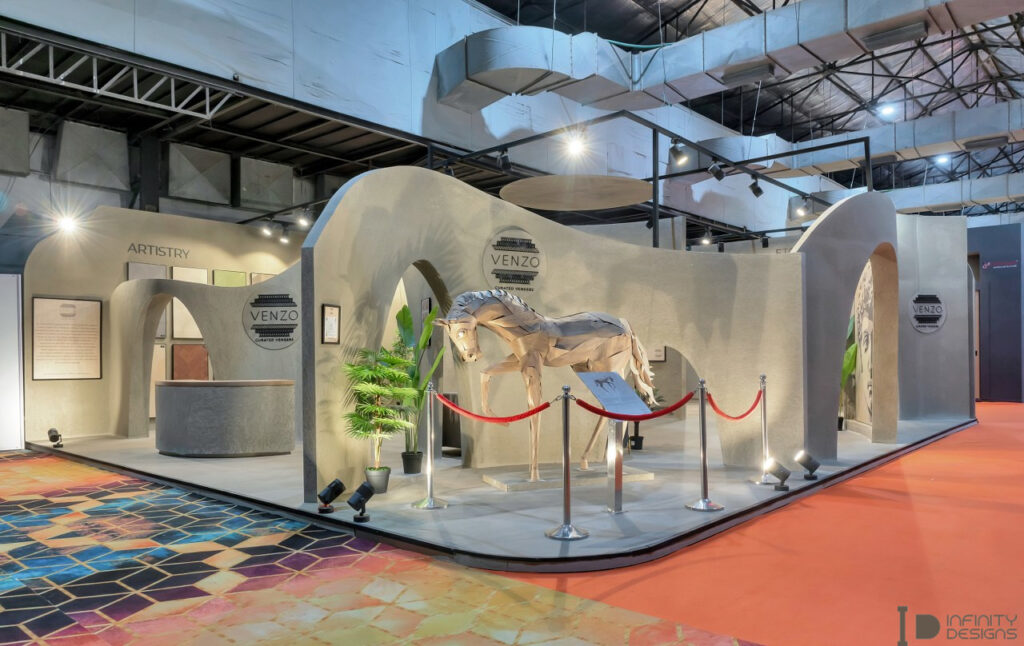
Understanding Brand Identity
An exhibition space’s success in combining interior design with branding hinges on establishing a clear and cohesive brand identity. Brand identity is the essence of a brand, encompassing its values, mission, and personality https://www.touchconcept.com.my/. It is crucial for creating brand recognition and fostering a connection with the audience. In exhibition spaces, brand identity should be visually represented through various design elements such as color schemes, logos, and overall aesthetics. Consistency in visual representation is key to reinforcing brand identity and leaving a lasting impression on visitors.
When designing exhibition spaces, it is essential to align the interior design with the brand’s identity to create a harmonious and immersive experience for visitors. By integrating elements that reflect the brand’s values and messaging, exhibition spaces can effectively communicate the brand’s story and evoke the desired emotions in the audience. This cohesive approach not only enhances brand recognition but also strengthens the overall brand image in the minds of consumers.
Incorporating Brand Elements
Establishing a clear brand identity is essential for guiding the incorporation of brand elements in exhibition spaces, ensuring a cohesive representation of the brand throughout the interior design. Brand integration involves strategically placing brand elements such as logos, colors, and slogans within the exhibition space to create a visual connection with visitors. These elements should not only reflect the brand but also enhance the overall design synergy of the space.
Incorporating brand elements in exhibition spaces requires a delicate balance between showcasing the brand identity and maintaining the functionality and aesthetics of the design. Brands can be integrated into exhibition spaces through various means, including custom signage, branded displays, and thematic decor that align with the brand’s values and message.
Design synergy plays a crucial role in how brand elements are integrated into exhibition spaces. By harmonizing the brand elements with the overall interior design concept, a cohesive and immersive brand experience can be created for visitors, leaving a lasting impression that reinforces brand recognition and loyalty.
Utilizing Color Psychology
To enhance brand integration in exhibition spaces, utilizing color psychology plays a pivotal role in creating a cohesive and impactful visual experience for visitors. Color psychology involves understanding how different colors can evoke specific emotions and responses in individuals. When applied effectively in exhibition spaces, color choices can influence visitors’ perceptions of a brand, enhance their overall experience, and guide them through the space with intention.
Incorporating color psychology into the spatial layout of an exhibition can help create a harmonious atmosphere that aligns with the brand identity. For example, warm tones like reds and oranges can create a sense of energy and excitement, ideal for highlighting key brand messages or interactive displays. On the other hand, cool tones such as blues and greens can promote a feeling of calm and serenity, suitable for areas where visitors may need to relax or reflect.

Creating Consistent Visual Language
Implementing a consistent visual language throughout exhibition spaces is essential for reinforcing brand identity and enhancing the overall visitor experience. Visual storytelling plays a crucial role in conveying the brand message and creating a memorable impact on visitors. By maintaining a cohesive visual narrative across different elements within the space, such as signage, displays, and interactive installations, exhibition designers can effectively communicate the brand’s values and story.
Spatial composition is another key aspect to consider when creating a consistent visual language in exhibition spaces. The layout and arrangement of various design elements, including furniture, lighting, and artwork, contribute to the overall aesthetic and atmosphere of the space. Attention to detail in spatial composition helps maintain a harmonious flow throughout the exhibition, guiding visitors through a curated journey that aligns with the brand’s identity.
Incorporating a consistent visual language through visual storytelling and strategic spatial composition not only strengthens brand recognition but also fosters a cohesive and immersive experience for visitors, allowing them to engage with the brand on a deeper level.
Engaging the Senses
Engaging the senses in exhibition spaces is paramount for creating an immersive brand experience that resonates with visitors on a deeper level. When designing exhibition spaces, incorporating sensory experiences is key to capturing the attention of visitors and leaving a lasting impression. Interactive displays that stimulate multiple senses, such as touchscreens that provide both visual and auditory feedback, can enhance the overall engagement of attendees.
By integrating elements like ambient lighting, soothing background music, or even subtle scents that align with the brand’s identity, exhibition spaces can evoke emotions and create a memorable experience for visitors. Encouraging tactile interaction through hands-on displays or textured materials can further immerse guests in the brand story.
Moreover, utilizing technology like virtual reality or augmented reality can transport visitors to different worlds, offering a unique and interactive way to showcase products or services. Overall, engaging the senses in exhibition spaces not only increases visitor engagement but also reinforces brand messaging and creates a truly unforgettable experience.
Conclusion
In conclusion, integrating interior design with branding in exhibition spaces is crucial for creating a cohesive and impactful experience for visitors.
By understanding brand identity, incorporating brand elements, utilizing color psychology, creating a consistent visual language, and engaging the senses, exhibition spaces can effectively communicate a brand’s message and values.
This strategic approach enhances brand recognition and leaves a lasting impression on visitors.