As awareness of chemical hazards in traditional pest control grows, many families are choosing Igreenasia Green Pest Control Services. You want to protect your loved ones while effectively managing pests, and eco-friendly solutions provide that balance. These natural remedies not only prioritize health but also promote sustainable practices green pest control. Curious about the benefits of making the switch and how it can transform your living space? Let’s explore the advantages of going green in pest management.

The Rising Awareness of Chemical Hazards in Pest Control
Have you ever considered the hidden dangers lurking in traditional pest control methods? Many people are unaware that common chemicals can exacerbate chemical sensitivities and pose long-term health risks.
As awareness grows, you might find yourself questioning pest control regulations that allow harmful substances to infiltrate your home https://igreenasia.com/. These chemicals don’t just target pests; they can affect your family’s well-being, too.
Switching to eco-friendly alternatives not only protects your loved ones but also promotes a healthier environment. By choosing greener pest management solutions, you reclaim your space from toxins and embrace a safer lifestyle.
It’s time to prioritize your health and the planet, ensuring freedom from harmful chemicals that threaten your peace of mind.
Health Benefits of Eco-Friendly Pest Management
Choosing eco-friendly pest management means you’re reducing your exposure to harmful chemicals that can linger in your home.
This approach not only protects your health but also creates a safer environment for your family and pets.
Reduced Chemical Exposure
While many traditional pest control methods rely heavily on harsh chemicals, eco-friendly pest management offers a healthier alternative that minimizes your exposure to these toxins.
By choosing natural alternatives, you’re not just protecting your home from pests; you’re also safeguarding your family’s health.
With eco-conscious solutions, you can enjoy peace of mind knowing that you’re reducing the risk of chemical exposure, which is especially important for children and pets.
Embracing these methods means prioritizing chemical safety and making a conscious choice for a cleaner environment.
You’ll feel empowered knowing that your home is pest-free without the burden of harmful chemicals.
Make the switch today and embrace a lifestyle that values health and well-being for you and your loved ones.
Safer Indoor Environments
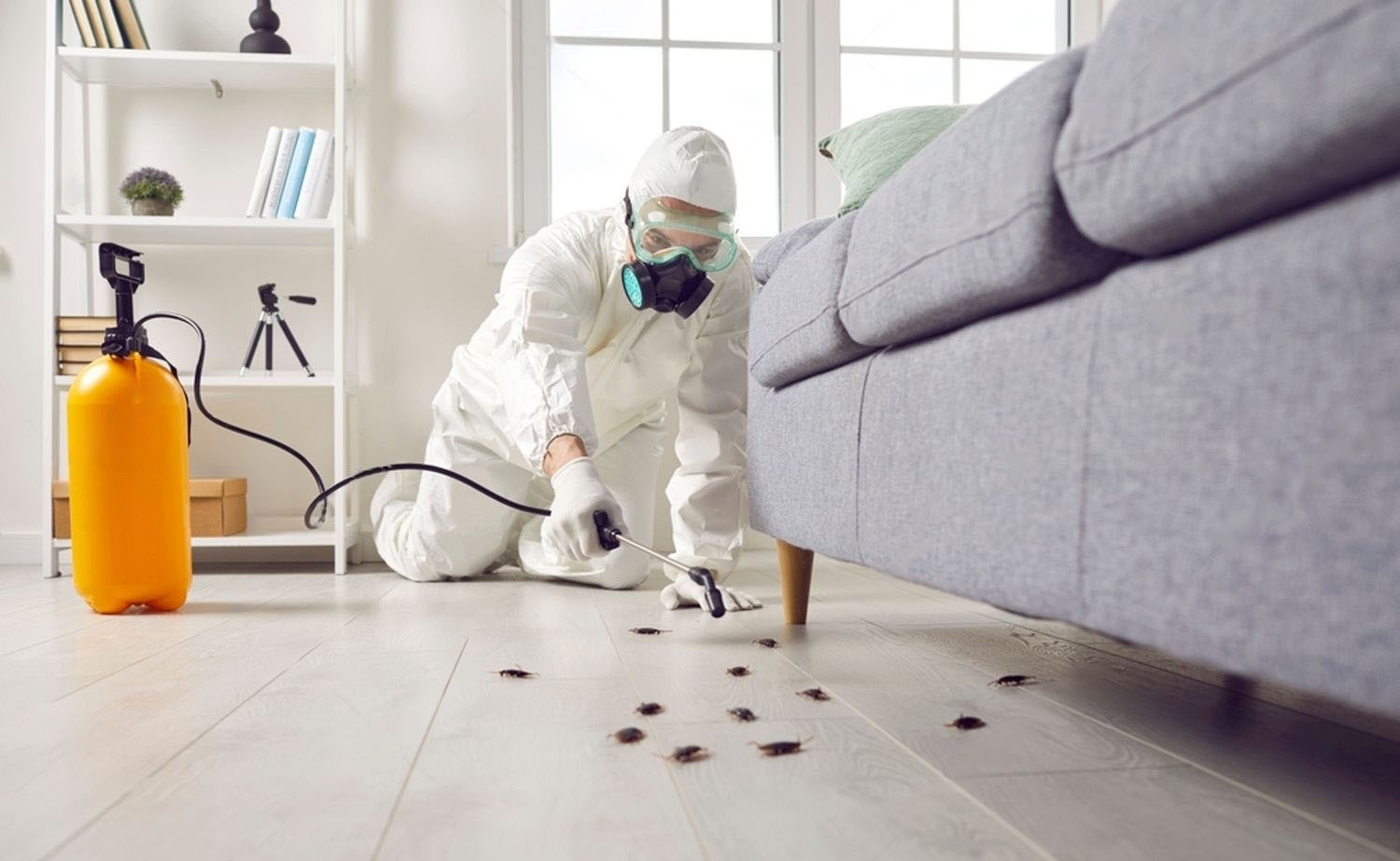
When you opt for eco-friendly pest management, you’re not only targeting unwanted pests but also enhancing the overall health of your indoor environment.
By choosing greener solutions, you greatly improve indoor air quality, guaranteeing that harmful chemicals don’t linger in your home. This means you can breathe easier, knowing you’re providing a safer space for your family.
Additionally, eco-friendly methods prioritize family safety, reducing the risk of health issues associated with traditional pest control products. You deserve a pest-free home that doesn’t compromise your well-being.
Embracing sustainable practices not only protects your family today but also assures a healthier tomorrow. Make the switch to Igreenasia Green Pest Control Services and enjoy a safer, cleaner indoor haven for everyone.
The Importance of Sustainable Practices
Sustainable practices are essential for ensuring a healthier environment, as they not only minimize harm to ecosystems but also promote the well-being of communities.
By embracing sustainable agriculture and using eco-friendly products, you contribute to a cleaner, greener future. These practices help reduce pollution, conserve resources, and protect biodiversity, allowing nature to thrive alongside human activity.
When you choose green pest control services, you’re not just safeguarding your home; you’re also supporting a movement towards responsible living. You deserve a pest control solution that respects the environment and prioritizes your family’s health.
Effectiveness of Natural Pest Control Solutions
Natural pest control solutions offer a compelling alternative to traditional chemical methods, especially as you seek effective and eco-friendly ways to protect your home.
With natural remedies derived from organic ingredients, you can effectively target pests without harming your family or the environment. These solutions utilize essential oils, plant extracts, and other safe components that disrupt pest behavior, making them less likely to invade your space.
You’ll find that many families have experienced success with these methods, enjoying the peace of mind that comes from knowing their homes are protected naturally.
Cost-Effectiveness of Green Pest Control Services
As you explore pest control options, you may find that green pest control services provide a cost-effective solution that benefits both your wallet and the environment.
When you conduct a cost comparison, you’ll often discover that these services are competitively priced, especially when considering the long-term savings they offer.
By investing in eco-friendly treatments, you not only reduce chemical exposure in your home but also minimize the risk of pest re-infestation due to the use of sustainable methods.
Additionally, budget planning becomes easier when you choose services that emphasize prevention, leading to fewer treatments over time.
Embracing green pest control is a smart financial choice that aligns with your values and supports a healthier future for your family.
Positive Environmental Impact of Choosing Green Solutions
Choosing green pest control solutions not only saves you money but also plays an essential role in protecting the environment.
By opting for eco-friendly products, you support sustainable gardening practices that nurture our planet. These methods reduce harmful chemicals in our soil and waterways, promoting a healthier ecosystem for future generations.
When you choose green solutions, you’re not just controlling pests; you’re contributing to a larger movement towards environmental responsibility. You’re championing a lifestyle that values freedom from toxic substances, both for your family and the earth.
Every decision you make in favor of green pest control helps create a safer, more balanced environment. Embrace these solutions and take pride in making a difference while enjoying a thriving garden.
Peace of Mind for Families With Safe Pest Control Options
Safe pest control options provide families with the peace of mind they deserve. You want to protect your loved ones from harmful chemicals, and choosing safe alternatives means addressing family concerns head-on.
By opting for eco-friendly pest control, you can eliminate pests without compromising your family’s health or the environment.
Imagine a home where you don’t have to worry about toxic residues lingering around your children or pets. Igreenasia’s green solutions prioritize safety while effectively managing pest issues.
You can enjoy the freedom of a pest-free home, knowing you’ve made responsible choices for your family’s well-being. Embracing these safe options isn’t just a smart decision; it’s a commitment to a healthier, happier living space for everyone.
Conclusion
By choosing Igreenasia Green Pest Control Services, you’re not just protecting your home from pests; you’re also prioritizing your family’s health and the environment. With effective, eco-friendly solutions, you can enjoy peace of mind knowing you’re making a safe choice for your loved ones. Plus, these sustainable practices are cost-effective, ensuring a healthier lifestyle for future generations. Make the switch today and embrace a greener, safer living space for your family and the planet.
…