
You’ll find zeta potential testing invaluable for understanding particle interactions in water, as it quantifies surface charge influencing attraction or repulsion. It helps monitor pollutant transport by revealing colloid stability changes tied to environmental conditions Particle Size Distribution. You can optimize water treatment by adjusting coagulant dosages based on precise charge measurements, enhancing contaminant removal. In soil studies, it assesses particle cohesion affecting erosion risks. For remediation, it clarifies nanoparticle behavior, boosting strategy development. Exploring further uncovers its broader environmental role.
Understanding Particle Interactions in Water
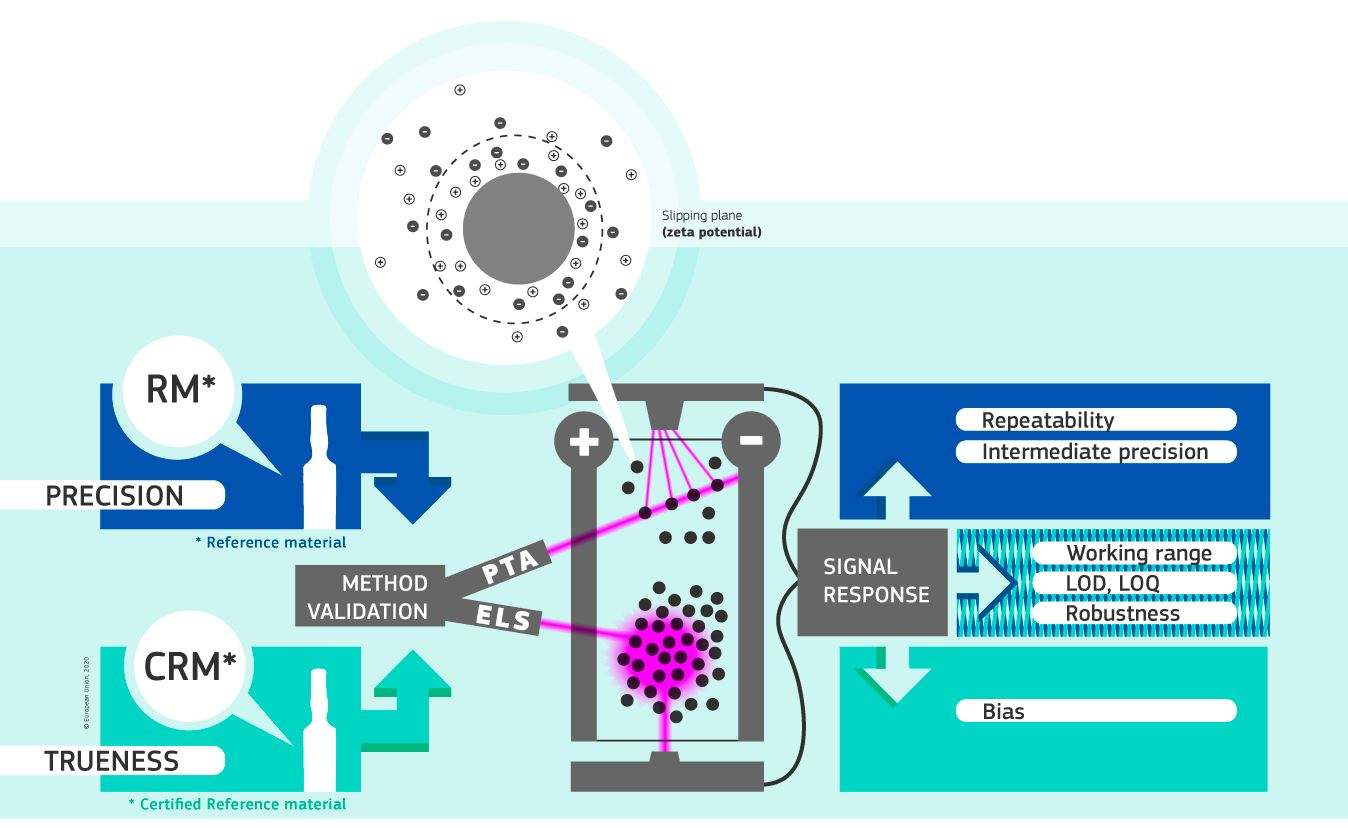
Although particles in water may appear suspended randomly, their interactions are governed by measurable forces that influence aggregation Lab Alliance, stability, and transport. When you analyze these particles, you’ll find that their surface charge plays an essential role. This charge affects how particles repel or attract each other, which determines whether they clump together or remain dispersed. Surrounding each particle is an electrical double layer—a region where ions arrange themselves to balance the particle’s charge. This double layer influences the overall interaction potential between particles. By understanding these factors, you can predict particle behavior in various environmental contexts. Controlling or manipulating surface charge and the double layer allows for greater freedom in managing water quality and pollutant dynamics with precision and reliability.
Monitoring Pollutant Transport Mechanisms
In tracking how pollutants move through water systems, understanding the forces acting on particles is essential. Zeta potential testing offers critical insights into colloid dynamics, revealing how charged particles interact and settle. You can better predict pollutant transport by analyzing adsorption kinetics, which govern how contaminants adhere to surfaces or disperse. This knowledge helps clarify mechanisms behind pollutant mobility, enabling more accurate environmental modeling.
Key factors you’ll consider include:
- Surface charge variations influencing particle aggregation
- Interaction strength between pollutants and natural colloids
- Rate constants describing adsorption and desorption processes
- Impact of ionic strength and pH on colloid stability
- Role of electrostatic forces in pollutant retention
Enhancing Water Treatment Efficiency
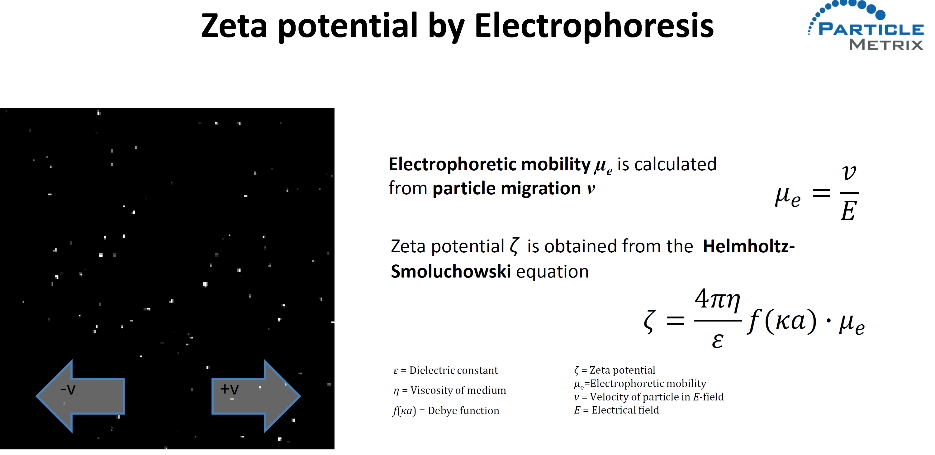
Understanding how pollutants interact with natural colloids through zeta potential testing doesn’t just improve your grasp of contaminant transport—it also informs strategies to boost water treatment processes. By measuring the zeta potential, you can precisely assess particle surface charges, enabling coagulation optimization to destabilize colloidal suspensions effectively. This targeted approach enhances the aggregation of particles, improving flocculation kinetics and accelerating sedimentation rates. Adjusting coagulant dosage based on zeta potential data prevents under- or overdosing, maximizing treatment efficiency and reducing chemical waste. Moreover, real-time monitoring allows you to adapt to fluctuating water quality, sustaining peak performance. Ultimately, integrating zeta potential testing into water treatment protocols provides you with a data-driven method to refine process control, ensuring reliable contaminant removal while conserving resources and operational costs.
Investigating Soil Stability and Erosion
When evaluating soil stability and erosion risks, zeta potential testing offers critical insights into particle interactions and surface charge dynamics. You can better understand how soil aggregation forms and how root binding influences soil structure, which directly affects erosion susceptibility. By measuring zeta potential, you evaluate the electrostatic forces that hold soil particles together or cause dispersion.
Key considerations include:
- Evaluating soil particle cohesion through surface charge analysis
- Evaluating the effectiveness of root binding in reinforcing soil matrix
- Monitoring changes in soil aggregation under varying environmental conditions
- Predicting erosion potential based on particle stability
- Informing soil management practices that maintain natural soil integrity
This data empowers you to develop strategies that preserve soil stability while supporting environmental freedom and resilience.
Advancing Research in Environmental Remediation
Harnessing zeta potential testing can markedly enhance your approach to environmental remediation by providing detailed insights into contaminant behavior and particle interactions. By measuring surface charge, you can better understand nanoparticle aggregation processes that influence the mobility and bioavailability of pollutants. This knowledge allows you to optimize remediation techniques, such as adjusting pH or adding coagulants to control particle stability. Additionally, zeta potential data sheds light on biofilm adhesion dynamics, critical for addressing microbial contamination and enhancing bioremediation efficiency. Through precise control of electrostatic interactions, you can improve contaminant removal rates while minimizing environmental impact. Integrating zeta potential testing into your research toolkit equips you to develop more effective, adaptable remediation strategies, ultimately advancing the sustainability and success of environmental clean-up efforts.
Conclusion
By understanding zeta potential testing, you can better analyze particle interactions and pollutant behavior in water. This insight helps you monitor contaminant transport and improve water treatment processes effectively. Additionally, it allows you to assess soil stability and erosion risks with greater accuracy. Ultimately, incorporating zeta potential measurements enhances your ability to develop targeted environmental remediation strategies, making your research more precise and impactful in addressing ecological challenges.