
Explore the intricate world of physisorption in our comprehensive guide on the principles, mechanisms, and applications of this fundamental process gas adsorption analyze.
From the underlying principles governing physisorption to the diverse range of applications across industries, this article delves into the essence of this phenomenon.
Gain insights into the factors influencing physisorption and discover the latest trends shaping its future.
Join us on a journey through the fascinating realm of physisorption and unlock its potential.
Key Takeaways
- Physisorption is driven by van der Waals forces Lab Alliance, crucial in catalysis, gas separation, and surface science applications.
- Mechanisms of physisorption involve dispersion, induced dipole, and permanent dipole forces.
- Factors like surface area, nature of surfaces, temperature, and pressure influence physisorption.
- Physisorption is applied in gas separation, purification, sensors, and holds potential for future advancements in surface modifications and computational modeling.
Understanding Physisorption Fundamentals
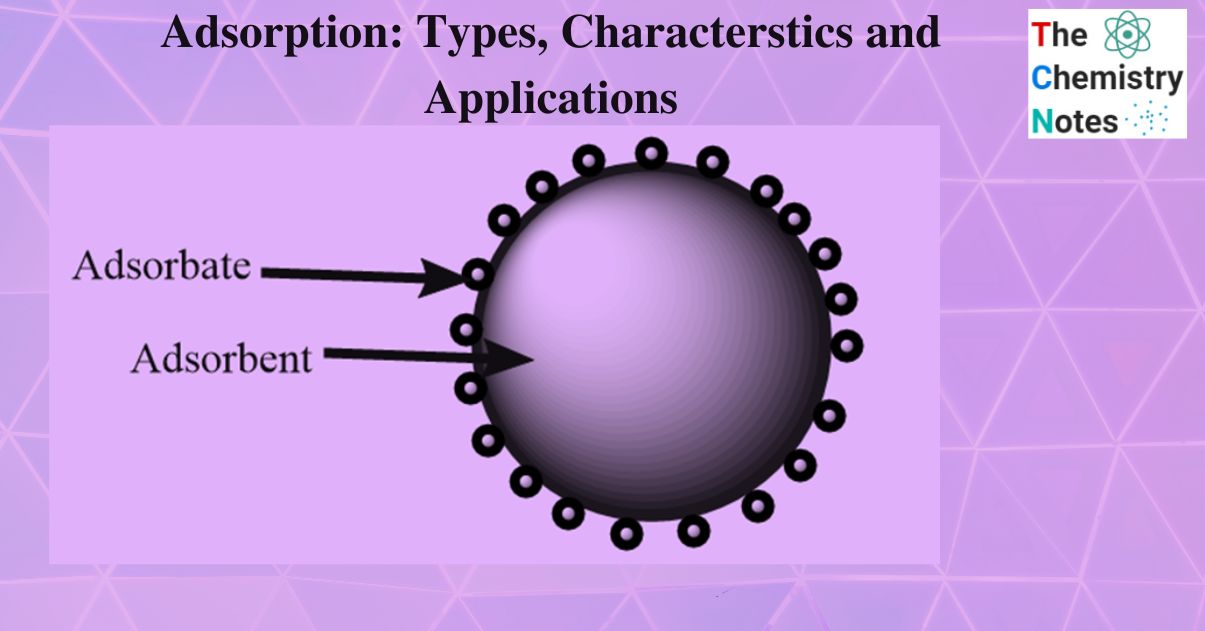
In the realm of surface interactions, an essential concept to grasp is the fundamental understanding of physisorption. Physisorption, a type of physical adsorption, occurs when molecules adhere to a surface through van der Waals forces without forming any chemical bonds.
This non-covalent interaction is characterized by its weak binding forces, leading to reversible adsorption. Understanding physisorption fundamentals is crucial as it plays a significant role in various fields such as catalysis, gas separation, and surface science.
Researchers utilize physisorption to study surface properties, determine surface areas, and investigate material interactions. By comprehending the principles governing physisorption, scientists can tailor surfaces for specific applications, design advanced materials, and enhance processes in industries seeking innovation and efficiency.
Mechanisms of Physisorption
Building upon the understanding of physisorption fundamentals, the mechanisms governing the process shed light on the interactions between molecules and surfaces through van der Waals forces.
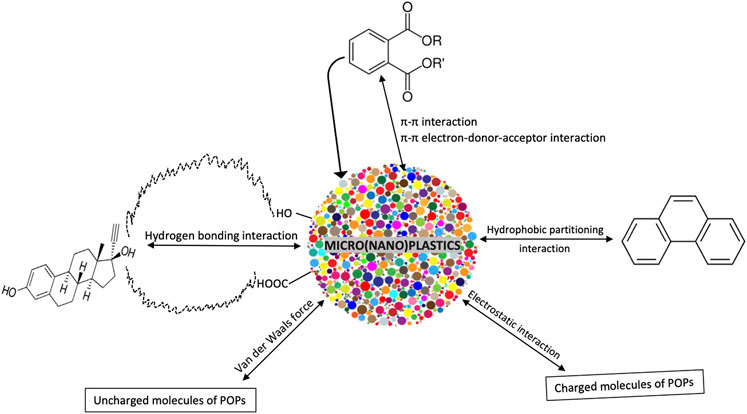
Physisorption occurs due to weak, non-covalent interactions, primarily van der Waals forces, between the adsorbate molecules and the substrate surface. These forces include dispersion forces, induced dipole forces, and permanent dipole forces.
Dispersion forces, also known as London forces, arise from temporary fluctuations in electron distributions. Induced dipole forces occur when an adsorbate molecule induces a dipole moment in the substrate. Permanent dipole forces involve the attraction between permanent dipoles in the adsorbate and substrate.
Understanding these mechanisms is crucial for optimizing physisorption processes in various applications, such as gas adsorption, catalysis, and surface modification.
Factors Influencing Physisorption
Factors influencing physisorption encompass various parameters that impact the strength and extent of van der Waals interactions between adsorbate molecules and substrate surfaces. The surface area of the substrate plays a crucial role, as a larger surface area provides more sites for adsorption.
Additionally, the nature of the adsorbate and substrate surfaces, including their chemical composition and roughness, influences physisorption. Temperature is another critical factor, as higher temperatures can increase the kinetic energy of the molecules, enhancing adsorption.
Pressure also affects physisorption, with higher pressures typically leading to increased adsorption. Understanding these factors is essential for controlling and optimizing physisorption processes in various applications, such as gas separation, catalysis, and sensor technologies.
Applications of Physisorption
One key application of physisorption involves gas separation processes where the principles of van der Waals interactions play a pivotal role in selectively adsorbing specific gases onto surfaces with tailored properties.
By leveraging the affinity of certain gases for specific surfaces, physisorption is utilized in various industries for gas purification, such as removing impurities from natural gas or separating different components in a gas mixture.
Additionally, physisorption is instrumental in the development of advanced materials like gas sensors, where the adsorption of target gases onto surfaces triggers detectable responses.
This application showcases the versatility and precision of physisorption in tailoring surfaces for specific gas interactions, enabling innovative solutions in gas separation and sensing technologies.
Future Trends in Physisorption
An intriguing direction for the future of physisorption lies in exploring novel surface modifications to enhance gas adsorption efficiencies and tailor specific gas-surface interactions. By delving into advanced surface engineering techniques, researchers aim to design materials with optimized surface properties that can selectively capture and release gases more efficiently.
Additionally, the development of customized porous structures and functional groups on surfaces opens up possibilities for enhancing physisorption capacities and selectivity towards specific gas molecules. Furthermore, the integration of computational modeling and artificial intelligence in predicting and designing ideal surface modifications for enhanced physisorption performance is a promising avenue for future research.
These innovative approaches hold the potential to revolutionize physisorption applications across various industries, from gas separation to environmental remediation.
Conclusion
In conclusion, physisorption plays a significant role in various scientific and industrial applications due to its fundamental principles and mechanisms.
Understanding the factors influencing physisorption is crucial for optimizing its use in fields such as material science, catalysis, and gas separation.
As research in physisorption continues to advance, future trends may focus on developing new materials and technologies to enhance the efficiency and effectiveness of physisorption processes.