
Malaysian hotels are adopting smart glass to enhance guest comfort, privacy and operational efficiency through dynamic tinting and integrated controls. Designs prioritise unobstructed views, modular installation and low maintenance while enabling privacy at a button or via room automation. Electrochromic façades cut solar load and lighting demand, improving sustainability metrics and lowering utility costs smart glass. Centralised APIs align shading, HVAC and analytics with guest profiles and staff workflows. Continue for detailed deployment strategies, financing and measurable ROI.
The Rise of Smart Glass in Malaysian Hotel Design
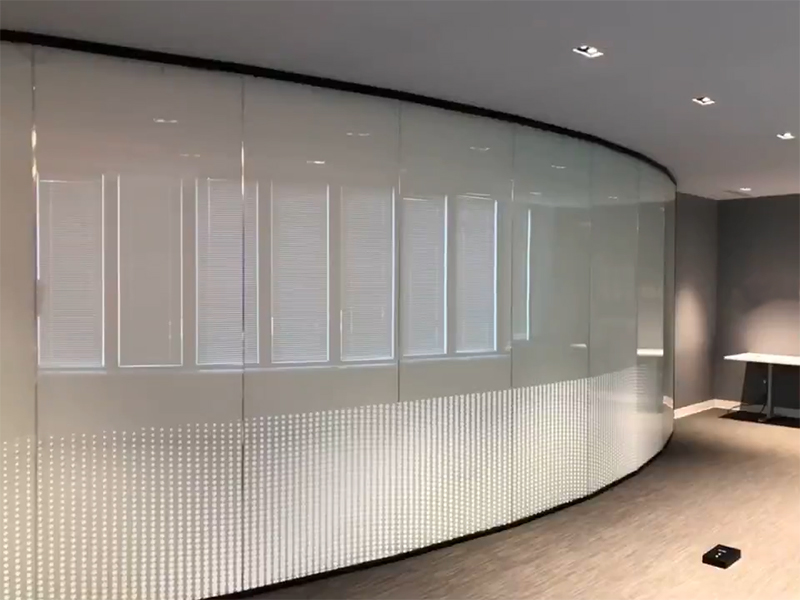
Against the backdrop of Malaysia’s growing inbound tourism and rising expectations for experiential stays, smart glass has begun to redefine hotel design by prioritising guest comfort, operational efficiency, and adaptable aesthetics. Designers and operators pursue a strategic blend of transparency and control: rooms shift opacity for privacy, public zones transform into dynamic lobbies, and façades act as responsive canvases. A smart facade integrates climate-responsive glazing with interactive signage to guide guests and personalise wayfinding. The approach emphasises modular installation, minimal maintenance, and unobtrusive tech that preserves views and autonomy, delivering liberated, guest-focused environments aligned with operational goals.
Energy Savings and Sustainability Benefits
Smart glass integration systematically reduces HVAC load by controlling solar heat gain, enabling hotels to maintain guest comfort with fewer heating and cooling cycles. By modulating visible light transmission, it also lowers lighting power draw through greater reliance on controlled daylighting and reduced artificial illumination. These operational efficiencies translate into measurable sustainability gains and lower utility costs while preserving the guest experience.
Reduced HVAC Energy Use
When integrated into building envelopes, electrochromic glazing directly reduces solar heat gain and stabilizes interior temperatures, allowing HVAC systems to operate more efficiently and with lower peak loads. This supports HVAC optimization and enables a Cool retrofit approach that preserves guest comfort while lowering energy bills. Strategic deployment targets sun-exposed facades and high-occupancy zones to shrink cooling demand and defer equipment upgrades.
- Reduced peak loads extend equipment life and cut maintenance frequency.
- Smarter setpoints maintain consistent comfort, giving guests freedom to personalize environments.
- Data-driven controls align tinting with occupancy patterns for precise savings.
Lower Lighting Power Draw
In hospitality settings, electrochromic glazing reduces reliance on artificial lighting by increasing usable daylight levels and minimizing glare, enabling lower lighting power densities without compromising guest comfort. The technology supports daylight harvesting strategies that dynamically adjust interior luminance, reducing operating hours of fixtures and enabling targeted zoning. Combined with LED compatibility, control systems optimize spectral balance and dimming to preserve ambience while cutting wattage. Hotels gain measurable reductions in lighting load, simplified maintenance, and greater design freedom to prioritize guest experience. Operational savings and sustainability credentials improve brand positioning while offering guests unobstructed choice over natural light and privacy.
Enhancing Guest Comfort and Privacy
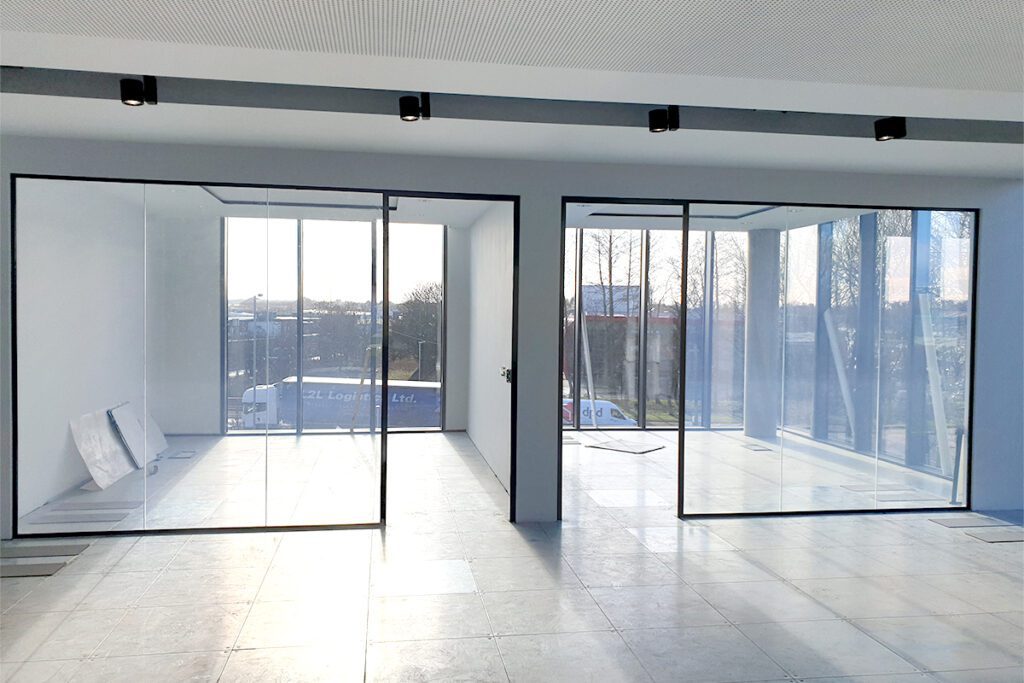
Smart glass enables instant privacy control at the touch of a button, allowing guests to shift from transparent to opaque without interrupting their experience. Integrated sensors and programmable tints manage daylight levels dynamically to optimize comfort and views while reducing reliance on artificial lighting. Combined with laminated assemblies and anti-reflective coatings, these systems also mitigate noise and glare to create a calmer, more restorative environment.
Instant Privacy Control
With a tap or voice command, instant privacy control transforms room glazing into an on-demand barrier that prioritizes guest comfort and discretion. The system integrates occupancy sensing and gesture control to deliver seamless, immediate shifts without guest inconvenience. Strategic deployment emphasizes autonomy, enabling guests to assert private space while staff access remains controlled. Benefits are articulated clearly:
- Rapid change between transparent and opaque states for momentary privacy needs.
- Minimal interaction friction via intuitive gesture control and sensors.
- Operational efficiency that respects guest freedom and reduces service interruptions.
Implementation focuses on reliability, clear cues, and guest-first permissions management to uphold trust.
Adaptive Light Management
Following instant privacy control, adaptive light management leverages glass opacity, tunable tinting, and integrated lighting to shape interior luminance profiles that match guest activities and circadian rhythms. The system employs dynamic tinting and daylight harvesting to reduce reliance on artificial light while preserving sightlines and autonomy. Sensors and schedules adapt scenes for work, rest, or dining, granting guests effortless control via apps or voice. Operational dashboards quantify energy savings and comfort metrics, enabling iterative refinement. Design teams prioritize unobtrusive interfaces and fail-safe manual overrides, ensuring guests retain freedom to personalize ambiance without compromising efficiency or privacy.
Noise and Glare Reduction
In many hospitality settings, advanced glazing and integrated shading systems are deployed to attenuate external noise and control solar glare while preserving views and guest autonomy. Rooms employ laminated panes and air gaps for enhanced acoustic insulation, reducing street and service noise without sealing occupants from the city. Dynamic tinting and adjustable louvers minimize visual distraction and daytime heat gain, enabling personalized daylighting. Operational protocols favor guest control over automation, balancing privacy and convenience.
- Laminated glass with optimized cavity depths
- Motorized blinds synced to occupancy patterns
- Manual override for tint and shading
These measures reinforce comfort, privacy, and choice.
Integration With Room Automation and Hotel Systems
As smart glass becomes a core element of contemporary guestrooms, its value hinges on seamless integration with room automation platforms and the hotel’s property management system to deliver personalized, efficient guest experiences. Strategic deployment leverages API integration to synchronize shading, privacy modes, lighting and HVAC with guest profiles and mobile keys. Centralized dashboards enable analytics-driven service adjustments while reducing manual interventions. Operational success depends on clear protocols and staff training to manage overrides, maintenance alerts and guest preferences without compromising autonomy. The result empowers guests with freedom to control environments and allows hoteliers to optimize energy, service responsiveness and occupancy workflows.
Design Trends: Aesthetics and Functional Uses
From a guest-centric perspective, current design trends position smart glass not merely as a functional partition but as a curated aesthetic element that enhances perceived value while solving practical needs. Designers prioritize clarity, texture and control to support privacy, daylighting and adaptable vistas. Strategic choices consider material sourcing and installation logistics early to maintain finish quality and freedom in space planning.
- Layered transparency for zoning without visual clutter.
- Integrated controls that respect guest autonomy and intuitive use.
- Custom tints and patterns that reinforce brand narrative while optimizing daylight.
The approach remains detail-oriented, balancing form, function and operational practicality.
Cost Considerations and ROI for Hotel Operators
When evaluating smart glass investments, hotel operators must weigh upfront capital, lifecycle costs, and measurable guest-impact benefits to determine true return on investment. Decision-makers assess Lifecycle costing to compare purchase price, installation, maintenance, energy savings, and replacement timelines against projected revenue uplift from enhanced privacy, view control, and market differentiation. Strategic pilots quantify occupancy, guest satisfaction scores, and ancillary spend changes. Financing options — leases, green loans, vendor financing — expand flexibility and preserve capital for operations. A disciplined model ties investment to per-room ROI thresholds and exit scenarios, enabling operators to adopt smart glass while retaining operational freedom.
Conclusion
Smart glass adoption in Malaysian hotels represents a strategic investment that aligns sustainability, guest comfort and operational efficiency. By reducing energy use, enhancing privacy on demand and integrating seamlessly with room automation, it supports differentiated guest experiences while lowering lifecycle costs. Designers and operators should prioritize specification, interoperability and long-term ROI when piloting installations. Thoughtful deployment—balancing aesthetics, maintenance and guest-centric functionality—positions hotels to capture market leadership and measurable financial and environmental returns.